Moldy Mozzarella String Cheese : Entitlement Foods Feds Spending 292 080 On String Cheese. Bacteria easily spreads through soft, unaged cheeses like cottage cheese and fromage blanc, ricotta, and fresh mozzarella and goat cheeses. I can see all the people here have preferred to stay on the safe side. The cause and how to deal with it. For fresh cheeses like mozzarella or ricotta, mold is an unfortunate sign that it's time to part ways and discard your cheese. Mold generally can't penetrate far into hard and semisoft cheeses, such as cheddar, colby, parmesan and swiss.
And as for extremely wet, fresh cheeses like mozzarella, ricotta, cream cheese, or chèvre, morillo recommends pitching them if you see visible mold—again, not going to kill you, but the mold will. The cause and how to deal with it. I can see all the people here have preferred to stay on the safe side. Cut off at least 1 inch (2.5 centimeters) around and below the moldy spot. Cheese is a unique food in that some types are made with mold — a fungus that's normally best to avoid.
Does Blue Cheese Go Bad Simple Answer Go Bad Or Not from gobadornot.com Mozzarella or most other soft cheeses have a high fat content, so if you'd like to share a slice with your pooch now and then, try to get low fat cheese instead. Basically, if you can stay away from these colors (in terms that you don't consume them), you are going to be okay and you won't be contaminated with anything, see also : Well before their expiration date and with wrappers fully intact before opening, these taste like moldy basement floor. So you can cut away the moldy part and eat the rest of the cheese. Visually inspect your mozzarella cheese for signs of mold. The other reviewers must have never tasted mozzarella in their lives. It depends on the cheese. And as for extremely wet, fresh cheeses like mozzarella, ricotta, cream cheese, or chèvre, morillo recommends pitching them if you see visible mold—again, not going to kill you, but the mold will.
Because fresh cheeses are high in moisture, mold can spread quickly and make the cheese unsafe to eat.
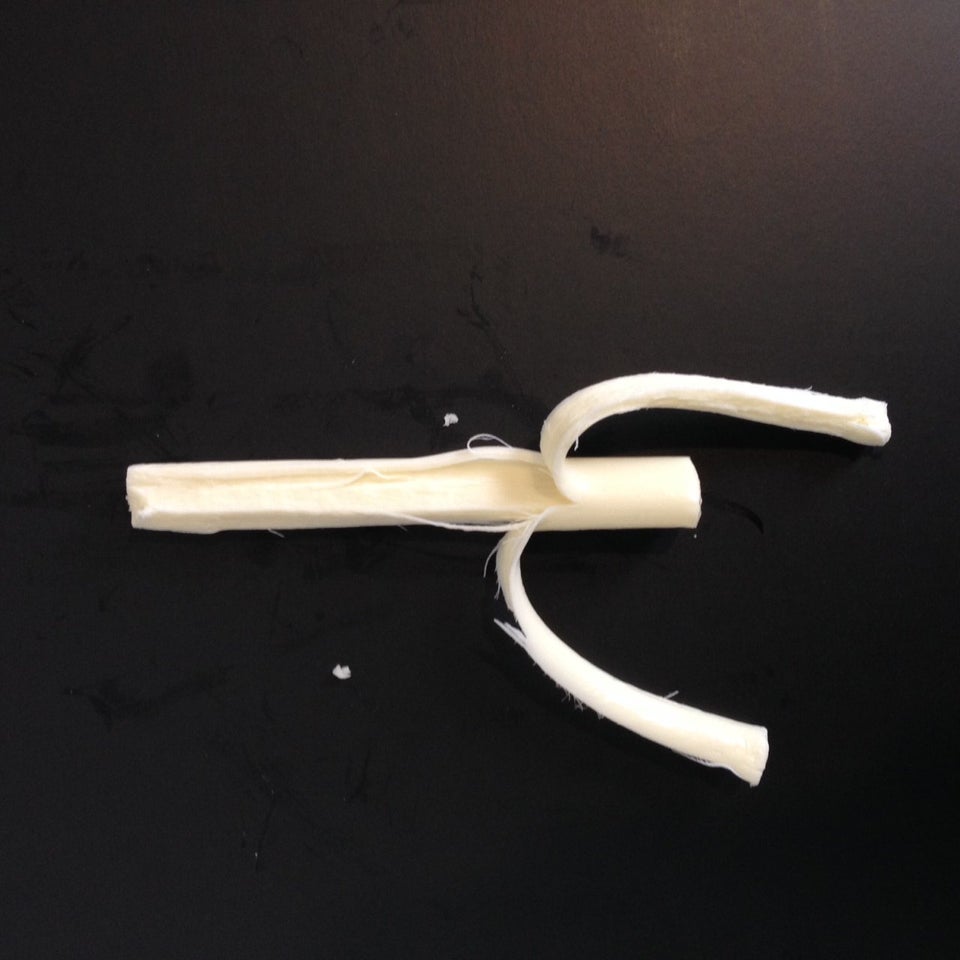
In this case, instead of molding the mozzarella cheese into balls, the cheese is stretched again and again to attain that stringy texture and it is dried out instead of soaking it in brine. If you see mold, the cheese is no longer edible. Now, let's let alone the situation of moulds meant to grow on cheese (typically white, whitish/greyish or reddish) such a. Mold generally can't penetrate far into hard and semisoft cheeses, such as cheddar, colby, parmesan and swiss. Soft cheeses like mozzarella, ricotta, and chèvre are a different matter—they provide an environment that contains more moisture and is much more conducive to fungal growth, says richards. Mold generally can't penetrate far into hard and semisoft cheeses, such as cheddar, colby, parmesan and swiss. Cheese is a unique food in that some types are made with mold — a fungus that's normally best to avoid. Creamy & delicious, stringy & fun and only 80 calories with 6 grams of protein. Visually inspect your mozzarella cheese for signs of mold. Mold forms when cheese begins to be broken down by bacteria. Still, it's important to know which types to eat, as moldy cheese can. So you can cut away the moldy part and eat the rest of the cheese. So it is pretty clear that the orange mold on cheese is unwanted although it is pretty harmful.
In this case, instead of molding the mozzarella cheese into balls, the cheese is stretched again and again to attain that stringy texture and it is dried out instead of soaking it in brine. Soft cheese (young cheddar, mozzarella, string cheese) all of the basic cheeses that are commonly found in the house are safe for a dog to eat in moderation. Still, it's important to know which types to eat, as moldy cheese can. The first occurrence sign of green mold on cheese is indicated by dark spots on the surface of the cheese. Soft cheeses like mozzarella, ricotta, and chèvre are a different matter—they provide an environment that contains more moisture and is much more conducive to fungal growth, says richards.
We Tested 11 String Cheeses And Separated The Winners From The Losers Huffpost Life from img.huffingtonpost.com Still, it's important to know which types to eat, as moldy cheese can. Cut off at least one inch around and. Mozzarella string cheese, parmesan cheese, italian seasoned breadcrumbs and 2 more. Add some to a lunch box or keep them handy for fun, satisfying snacks. Be sure to keep the knife out of the mold, so it doesn't contaminate other parts of the cheese. It is at least as good as the brand names, but costs less than the brand names. Available in packs of 3, 12, 16, 24, 36, 48 and 60. Mozzarella cheese has an elastic texture, which rolls neatly into a ball after kneading.
When any of these get moldy, throw them out. My wife specifically thinks that this happy belly string cheese tastes less salty than pollyo. So you can cut away the moldy part and eat the rest of the cheese. At baker cheese, our fresh mozzarella string cheese starts out as milk. Of course, some types of cheese are essentially made of mold, and they don't present a risk as long as you don't have a weakened immune system. If you notice yourself feeling ill after eating mozzarella cheese, do not automatically assume that the cheese is bad. So it is pretty clear that the orange mold on cheese is unwanted although it is pretty harmful. For fresh cheeses like mozzarella or ricotta, mold is an unfortunate sign that it's time to part ways and discard your cheese. The other reviewers must have never tasted mozzarella in their lives. Originally made in naples, mozzarella cheese is a staple in many italian dishes and a common pizza topper. Soft cheese (young cheddar, mozzarella, string cheese) all of the basic cheeses that are commonly found in the house are safe for a dog to eat in moderation. Carie wagner, wisconsin's only female master cheesemaker and the cheese and egg product manager at organic valley, points out that, after all, when you eat some cheeses — like blue, brie, and camembert — you're basically eating edible. These molds are safe for healthy adults to eat.
Don't attempt to trim the mold from mozzarella cheese. All chilled cheese shall be delivered within 15 days of manufacture date. If you have a particularly stubborn patch slice it out and then wash with the. Add some to a lunch box or keep them handy for fun, satisfying snacks. Be sure to keep the knife out of the mold, so it doesn't contaminate other parts of the cheese.
Cheese 101 When Your Cheese Has Gone Bad A Quick Overview Bottle King S Vineyard Market from bkvineyardmarket.files.wordpress.com So you can cut away the moldy part and eat the rest of the cheese. Now, let's let alone the situation of moulds meant to grow on cheese (typically white, whitish/greyish or reddish) such a. They contain milk and are a good source of calcium. For fresh cheeses like mozzarella or ricotta, mold is an unfortunate sign that it's time to part ways and discard your cheese. And as for extremely wet, fresh cheeses like mozzarella, ricotta, cream cheese, or chèvre, morillo recommends pitching them if you see visible mold—again, not going to kill you, but the mold will. Of course, some types of cheese are essentially made of mold, and they don't present a risk as long as you don't have a weakened immune system. It is at least as good as the brand names, but costs less than the brand names. Safe choice when the question is sooooooo general.
Because fresh cheeses are high in moisture, mold can spread quickly and make the cheese unsafe to eat.
The same is true for grated cheese, no matter how hard it was in brick or wheel form. So you can cut away the moldy part and eat the rest of the cheese. If you have a particularly stubborn patch slice it out and then wash with the. Still, it's important to know which types to eat, as moldy cheese can. Snack cheese, on the other hand, can be any variety of cheese, from cheddar to muenster, but you won't be able to pull it apart in strands. Mold generally can't penetrate far into hard and semisoft cheeses, such as cheddar, colby, parmesan and swiss. The first occurrence sign of green mold on cheese is indicated by dark spots on the surface of the cheese. Cut off at least 1 inch (2.5 centimeters) around and below the moldy spot. Low moisture part skim mozzarella cheese (pasteurized part skim milk, cheese cultures, salt, enzymes) Tear off each cheesy, stringy piece knowing you're filling your body with delicious protein and calcium in every bite. Mozzarella cheese has an elastic texture, which rolls neatly into a ball after kneading. In this case, instead of molding the mozzarella cheese into balls, the cheese is stretched again and again to attain that stringy texture and it is dried out instead of soaking it in brine. So it is pretty clear that the orange mold on cheese is unwanted although it is pretty harmful.



No comments:
Post a Comment